Zero Waste Clipart: Enhancing Creative Projects with Sustainable Visuals
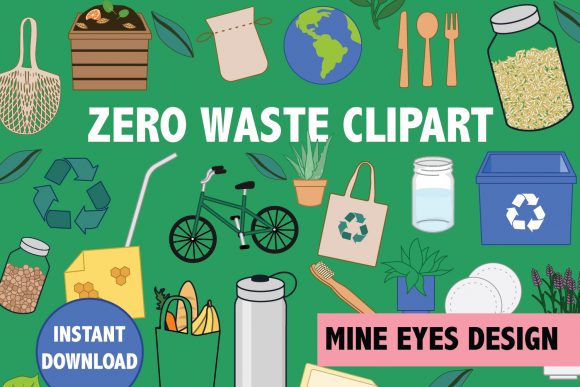
For creators, entrepreneurs, and educators, visual elements play a crucial role in communication, branding, and project execution. The Zero Waste Clipart collection offers a practical and versatile solution for integrating sustainable imagery into a wide range of creative and professional workflows. Whether designing infographics, crafting marketing materials, or developing educational content, these 25 original images support a cohesive visual language centered around environmental awareness and responsible consumption.
Understanding Zero Waste Clipart
The Zero Waste Clipart set includes illustrations focused on zero waste, recycling, composting, sustainable home goods, and Earth appreciation. Each image is designed to support visual storytelling around waste reduction and green living. The collection comes in three formats—PNG, JPEG, and SVG—ensuring compatibility across design tools and output needs. With transparent backgrounds for PNGs and high-resolution JPEG and SVG files, these assets are ready for immediate integration into print, digital, and fabric-based projects.
Integration Into Creative Workflows
Visual assets like Zero Waste Clipart often serve as building blocks in larger creative processes. Before launching a design project, it’s helpful to outline how visual elements will be used. For example, a blogger creating a series on sustainable living might use these illustrations to break up text-heavy posts, making the content more digestible and visually engaging. Similarly, a small business owner developing packaging or promotional materials could incorporate the clipart to reinforce brand values around environmental responsibility.
Preparation and Planning
Before downloading and using the clipart, consider the scope of your project. Ask yourself:
- What platforms or media will this be used on (e.g., blog, print, social media)?
- Do I need transparent backgrounds, or will a white background suffice?
- How many illustrations will I need to maintain visual consistency?
These questions help streamline the selection and implementation process, ensuring the clipart supports your goals rather than complicating them. Since the files are delivered in a zip folder with clearly labeled formats, organization from the start can save time later.
Practical Use Cases Across Industries
One of the strengths of the Zero Waste Clipart package is its adaptability. Here are several ways professionals and hobbyists can apply these visuals:
- Educators may use the images in classroom materials to teach sustainability concepts in a visually engaging way.
- Marketers working on Earth Day campaigns can quickly create social media graphics or email headers with relevant imagery.
- Bloggers covering green living topics can enhance posts with custom illustrations that reflect their message.
- Freelance designers can integrate the clipart into client projects related to eco-friendly products or services.
- Crafters may print the images on fabric or paper for handmade cards, invitations, or decorations.
Because the files are available in SVG format, users can scale them without loss of quality, making them ideal for both small-scale and large-format printing.
Compatibility with Design Tools
The versatility of Zero Waste Clipart lies in its compatibility with common design software and platforms. PNG and JPEG files can be used in tools like Canva, Adobe Photoshop, or Google Docs without requiring advanced editing skills. SVG files, on the other hand, are ideal for vector-based applications such as Adobe Illustrator or Inkscape, allowing for customization of individual elements. This flexibility supports a smooth integration into both beginner and advanced workflows.
Workflow Efficiency and Organization
When managing multiple design projects, maintaining an organized asset library is essential. After downloading the clipart, it’s helpful to create a dedicated folder for the PNG, JPEG, and SVG files. You may also want to rename files based on their subject matter (e.g., “compost_bin,” “reusable_bags”) for easier searching later. If you're working in a team environment, sharing a centralized asset folder ensures consistency across branding materials and campaigns.
Quality Control and Long-Term Use
The high-resolution nature of the files (300 dpi) ensures they remain crisp when printed or used in digital formats. For long-term projects or repeated use, always store the original files in a secure, backed-up location. If you're using these images in templates or recurring materials (such as monthly newsletters), check that the visual style remains aligned with your brand identity over time. Consistency in design helps reinforce recognition and trust with your audience.
Enhancing Communication Through Visuals
In many professional and creative settings, visuals serve as a bridge between complex ideas and audience understanding. The Zero Waste Clipart collection provides a ready-made visual vocabulary for topics like composting, recycling, and sustainable living. By incorporating these images into presentations, reports, or instructional guides, you can make abstract concepts more tangible and actionable.
For example, a nonprofit organization focused on waste reduction might use the clipart in infographics to illustrate the steps of a zero-waste lifestyle. Similarly, a school teacher could use the images in a classroom poster to encourage students to participate in recycling programs. The ability to scale and adapt these visuals supports clarity and engagement across different contexts.
Supporting Sustainability Through Design
Choosing to use Zero Waste Clipart aligns with broader efforts to support sustainable practices in creative work. By visually reinforcing messages around recycling, composting, and mindful consumption, you contribute to a growing movement that values environmental responsibility. Additionally, the digital delivery of the files reduces the need for physical materials, supporting a low-impact workflow from purchase to implementation.
Customization and Creative Freedom
While the clipart is ready to use out of the box, the SVG format allows for further customization. Design-savvy users can modify colors, adjust line weights, or combine elements to better match their project’s aesthetic. This level of flexibility is especially valuable for brands that want to maintain a unique visual identity while still leveraging pre-made assets. Whether you’re tweaking a single icon or integrating multiple illustrations into a larger layout, the ability to edit vector files enhances the practicality of the collection.
Final Thoughts on Implementation
Integrating Zero Waste Clipart into your workflow is more than just a design decision—it’s a strategic choice that supports clarity, sustainability, and efficiency. By selecting visuals that align with your message and organizing them effectively, you can streamline your creative process and produce more impactful content. Whether you're working on a personal craft project or a professional marketing campaign, these illustrations offer a flexible and high-quality solution for bringing your ideas to life.