Unlocking the Power of Recycling Elements: A Comprehensive Guide to Volume 1 and Its Editable Vector Graphics
In today's eco-conscious world, recycling has become more than just a buzzword—it's a lifestyle, a business strategy, and a global movement. Whether you're a designer creating sustainable branding, an educator teaching environmental awareness, or a business owner looking to promote green practices, having access to high-quality, customizable recycling graphics is essential. That's where Recycling Elements - Volume 1 comes in, offering a rich collection of fully editable vector illustrations, logos, symbols, and icons designed to bring clarity, professionalism, and creativity to any project.
What Is Recycling Elements - Volume 1?
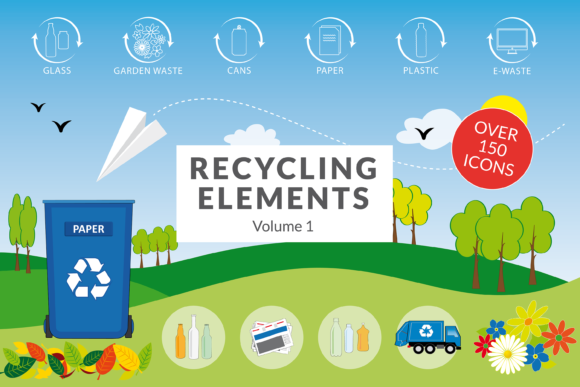
Recycling Elements - Volume 1 is a comprehensive design resource tailored for creatives, educators, and businesses focused on sustainability. This package includes a wide variety of visual assets that help communicate recycling concepts effectively across multiple platforms. Whether you're designing a presentation on waste management, creating an infographic for a blog post, or developing marketing materials for a green initiative, this collection provides everything you need to make your message stand out.
Key Features of Recycling Elements - Volume 1
- 83 recycling color illustrations – Perfect for visually explaining different aspects of recycling, from sorting bins to processing plants.
- 54 recycling icons and logos – Ideal for branding materials, websites, and apps that emphasize sustainability.
- 48 recycling line art illustrations and icons – Great for minimalist designs, print materials, or overlaying on photographs.
- BONUS 3 recycling scenes – Ready-to-use visual compositions that depict real-world recycling environments.
- Vector icons, logos, and illustrations – Fully editable in Adobe Illustrator (AI), EPS, and PNG formats for maximum flexibility.
- White and black options included – Ensuring seamless integration into any design scheme, whether light or dark themed.
Why Visuals Matter in Recycling Communication
Visual communication plays a crucial role in how we understand and process information—especially when it comes to complex topics like recycling. Studies show that people remember visual content better than text alone, making graphics an essential tool for education, marketing, and public awareness campaigns.
Using high-quality, customizable illustrations and icons helps break down complicated recycling processes into digestible visuals. For example, instead of describing how paper is recycled in a paragraph, a well-designed infographic with icons can walk viewers through each step—from collection to reprocessing—making the information more engaging and easier to understand.
Applications Across Industries
One of the greatest strengths of Recycling Elements - Volume 1 is its versatility. Here are just a few ways different industries can benefit from using these graphics:
- Educators: Create engaging classroom materials that teach students about recycling types, environmental impact, and sustainability practices.
- Marketers: Design eye-catching social media posts, brochures, and advertisements that promote eco-friendly products or services.
- Web Developers: Enhance website UX with intuitive recycling icons and illustrations that guide users through content or features.
- Nonprofits: Develop compelling infographics and reports that highlight the importance of recycling initiatives in communities.
- Designers: Build cohesive branding for green startups, eco-conscious brands, or environmental campaigns using professional, editable graphics.
Understanding the File Formats Included
Recycling Elements - Volume 1 offers multiple file formats to suit a wide range of design needs:
- AI (Adobe Illustrator): The native format for Illustrator, allowing full editing capabilities including color changes, resizing, and layer adjustments.
- EPS (Encapsulated PostScript): A vector format compatible with most graphic design software, ideal for printing and scalable designs.
- PNG: High-quality raster images with transparent backgrounds, perfect for web use, presentations, and social media graphics.
Having access to both vector and raster formats ensures that you can use these graphics in virtually any context—whether you're designing a billboard or a mobile app icon.
Customization Made Easy
One of the standout features of this resource is that all icons and illustrations are completely editable. This means you can adjust colors, shapes, and details to match your brand identity or design aesthetic. Whether you need a recycling bin icon in your company's primary color or want to tweak the style of a line art illustration, the flexibility is there to make it your own.
Additionally, the inclusion of both white and black options ensures that these graphics can be used on any background without losing visibility or contrast. This level of customization is especially valuable for designers who want to maintain a cohesive visual style across multiple platforms.
How Recycling Graphics Support Sustainability Efforts
Visuals are not just about aesthetics—they play a functional role in promoting sustainable behavior. Clear, recognizable recycling icons help individuals properly sort waste, reducing contamination in recycling streams. Educational infographics can raise awareness about the benefits of recycling, encouraging more people to participate in green initiatives.
Businesses can also use these graphics to demonstrate their commitment to sustainability. By incorporating recycling elements into their branding, packaging, and marketing materials, companies can signal to consumers that they are environmentally responsible. This not only builds trust but can also enhance brand loyalty in a market where eco-consciousness is increasingly valued.
Real-World Examples of Effective Recycling Graphics
Let’s look at a few real-life applications of how these graphics can be put to use:
- Public Signage: Municipalities can use clear recycling icons to label bins in parks, schools, and public spaces, helping residents understand where to dispose of different materials.
- Corporate Reports: Businesses can include infographics in their annual sustainability reports to visually represent their recycling efforts and goals.
- Blog Posts: Environmental bloggers can enhance their content with engaging illustrations that explain topics like composting, e-waste, or plastic recycling.
- Educational Posters: Schools can create informative posters that teach children how to recycle correctly, using colorful, engaging visuals.
Common Misconceptions About Recycling Graphics
Despite their importance, there are a few misconceptions about using recycling graphics in design:
- Misconception: All recycling icons are the same.
Reality: Different contexts require different styles. Line art may work best for minimalist designs, while color illustrations are better for educational materials. - Misconception: You can't customize free icons.
Reality: Recycling Elements - Volume 1 offers fully editable graphics, giving you the freedom to tailor visuals to your specific needs. - Misconception: Recycling graphics are only for environmental organizations.
Reality: Any business or individual can benefit from using these visuals to promote sustainable practices, regardless of industry.
Conclusion: A Must-Have Resource for Sustainable Design
Recycling Elements - Volume 1 is more than just a collection of graphics—it's a powerful tool for promoting environmental awareness and sustainability. Whether you're a designer looking to create impactful visuals, an educator teaching students about recycling, or a business aiming to showcase your green initiatives, this resource provides the tools you need to communicate effectively and professionally.
With its comprehensive set of icons, logos, and illustrations, plus full editability and multiple file formats, Recycling Elements - Volume 1 empowers you to bring your recycling-related projects to life. By leveraging these visuals, you can educate, engage, and inspire action toward a more sustainable future.